Improve daily cleaning
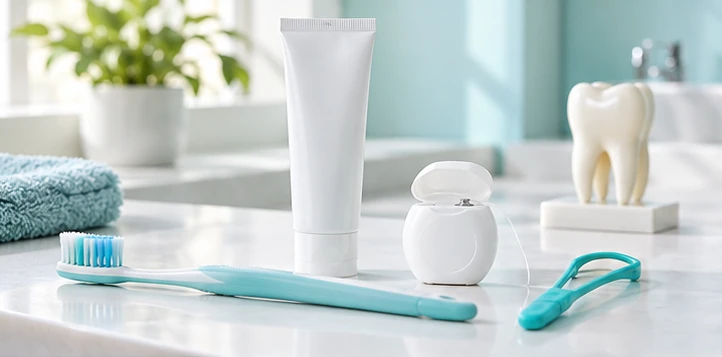
Tailored advice for tongue cleaning, toothbrushing and spaces between teeth can help reduce deposits that contribute to bad breath.
SmileOn Specialist Dental Practice · Lahore
Persistent bad breath is common and can have several causes. At SmileOn, we offer a supportive assessment of your mouth, gums and daily habits to help you understand what may be contributing.

Discuss timing and possible triggers
Check tongue, teeth and gums
Treat the cause identified
Medical referral when appropriate
Bad breath, also called halitosis, often comes from the mouth. Bacteria on the tongue, food trapped between teeth, gum disease and a dry mouth can contribute. Food, tobacco and some medicines also play a part. It does not automatically mean poor hygiene. If dental causes do not explain it, assessment by another healthcare professional may be appropriate.
Deposits on the tongue, between teeth or on dentures can contribute to unpleasant breath.
Gum inflammation, decay or infection may need dental treatment rather than products that mask odour.
Reduced saliva, medicines, tobacco and some health conditions can contribute; mention when odour is most noticeable.
Care based on your assessment
Tailored advice for tongue cleaning, toothbrushing and spaces between teeth can help reduce deposits that contribute to bad breath.
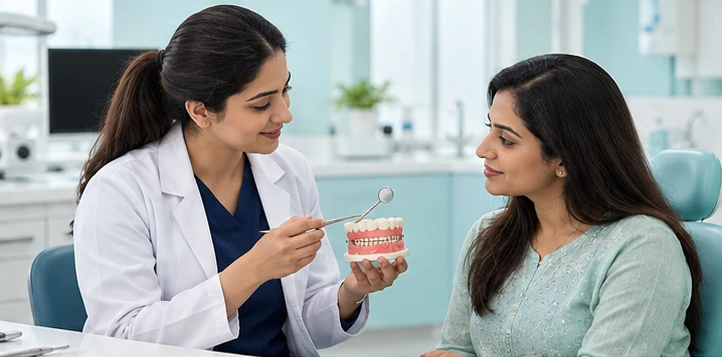
Professional cleaning, gum care or treatment of an affected tooth may help where examination identifies an oral cause.

Hydration advice and suitable saliva-support products may help; medicines or other contributing conditions may need review with your prescriber.
| Approach | When it may fit | What to expect |
|---|---|---|
Improve daily cleaning | Tongue deposits or food trapped between teeth are contributing. | A practical brushing, tongue-cleaning and interdental routine. Persistent symptoms still need assessment. |
Treat dental causes | Examination identifies gum disease, decay, infection or another oral problem. | Care directed at the finding; professional cleaning alone will not address every cause. |
Address dry mouth | Reduced saliva or ongoing mouth dryness is part of the problem. | Advice and suitable saliva-support products; medicine-related dryness may need your prescriber's review. |
These approaches may be combined. If oral findings do not explain persistent odour, a medical assessment may be appropriate.

Discuss when the problem started, your cleaning routine, medicines and any dryness, discomfort or other symptoms you notice.
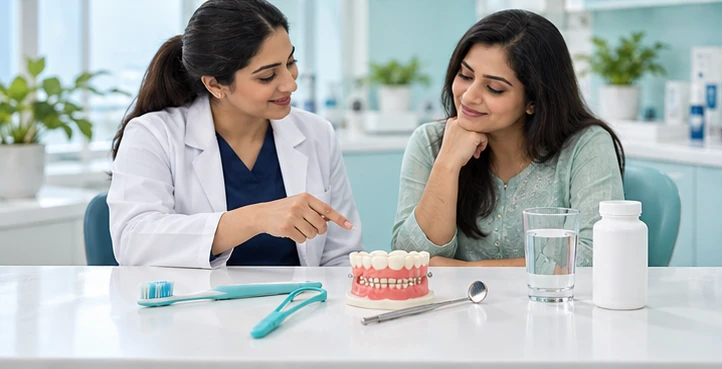
Examine the mouth, teeth and gums, then explain any findings and the practical care options that fit them.
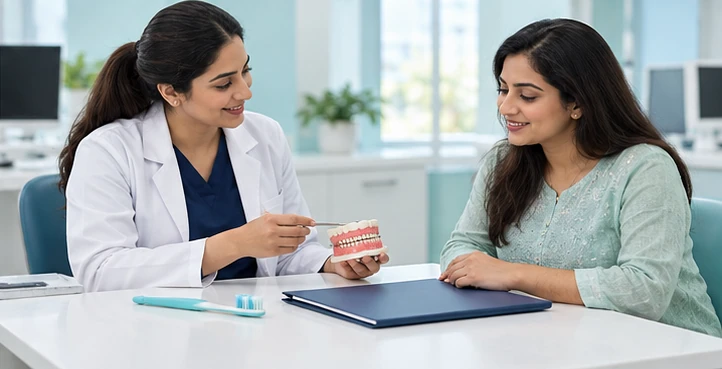
Check whether the agreed care helps; arrange further dental or medical assessment if symptoms continue without an explanation.
The SmileOn approach
For overseas patients
Share your records and travel dates before you arrive. We’ll discuss appointments, possible treatment stages and an initial estimate.
Guidance is preliminary. Your plan follows an in-clinic assessment; healing and reviews may require another visit.
Many causes are in the mouth, including tongue deposits, gum disease and dry mouth. Reflux or other medical conditions can contribute, but a dental assessment is a sensible starting point for persistent symptoms.
Some rinses can help reduce bacteria or temporarily freshen breath, but they do not replace brushing, cleaning between teeth or treatment of disease. Your dentist can advise whether a rinse would be useful.
Saliva helps wash the mouth and control bacteria. When saliva is reduced, breath can change and teeth may be more vulnerable to decay. Persistent dryness should be assessed, particularly if medicines may contribute.
It may help when plaque, tartar or gum problems contribute. Cleaning is not a cure for every cause of bad breath; findings from your examination guide whether it or another treatment is appropriate.
Your dentist may suggest assessment by a doctor for possible non-dental causes, such as nasal or throat conditions or reflux. Keep note of associated symptoms and when the breath changes are most noticeable.

Visit SmileOn in Lahore for an assessment and clear next steps.