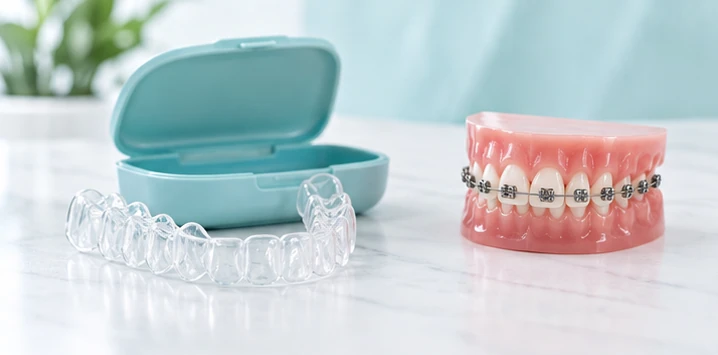
Orthodontic movement
Braces or aligners can move suitable teeth and address selected bite problems; retainers help maintain the result.
SmileOn Specialist Dental Practice · Lahore
A gap can be part of a healthy smile, or it may reflect tooth size, position or gum changes. We assess the cause and help you decide whether treatment is needed or simply a personal choice.

Check spacing and gum health
Tooth size, position and bite
Movement, bonding or cause-led care
Retention and maintenance
Spacing, sometimes called a diastema, may relate to tooth size and jaw size, development, missing teeth, habits or changes in gum support. A stable gap does not automatically need treatment. A new or widening gap, especially with bleeding or loose teeth, should be checked before cosmetic work.
Bonding and orthodontics have different schedules; orthodontic movement usually needs continuing visits and retention.
Clean around additions or appliances and attend reviews. Bonding may need repair; spaces can reopen without orthodontic retention.
Ask for an estimate covering the approach, teeth involved, retainers, reviews and any preliminary gum care.
Care based on your assessment
Braces or aligners can move suitable teeth and address selected bite problems; retainers help maintain the result.
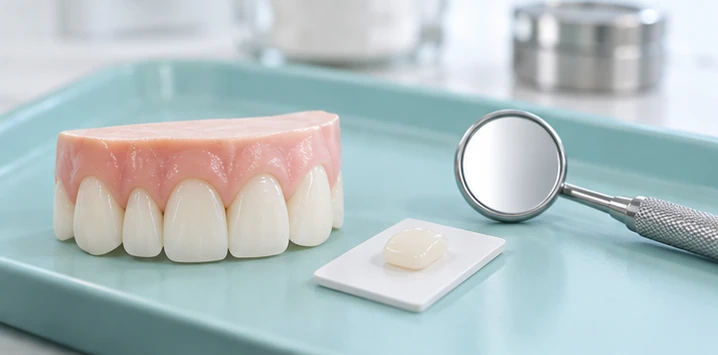
Resin can reduce some small gaps when the tooth proportions and bite are suitable.

Gum disease, a missing tooth or another cause may need attention before closing the space.
| Approach | When it may fit | What to expect |
|---|---|---|
Orthodontic movement | Spacing involves tooth position or bite and the teeth and gums are suitable for movement. | A course of monitored treatment followed by retainers; it moves teeth rather than simply adding width. |
Composite bonding | A selected small gap can be reduced without making tooth proportions or the bite unsuitable. | Tooth-coloured material added to reshape the teeth; cleaning, possible staining and future repair need discussion. |
Treat the underlying cause | Gum changes, a missing tooth or another dental issue is contributing to the space. | Cause-led care before cosmetic closure; replacement, monitoring or a combined approach may be considered. |
A healthy stable gap can be left unchanged. These are conditional choices, and treating a cause may need to precede or accompany orthodontics or bonding.

Assess the gums, bite, tooth sizes and position; discuss whether the gap is new or stable.
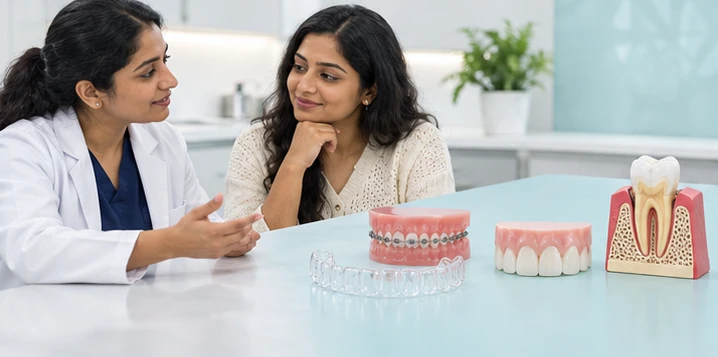
Review the trade-offs of movement, adding material or leaving a healthy gap unchanged.
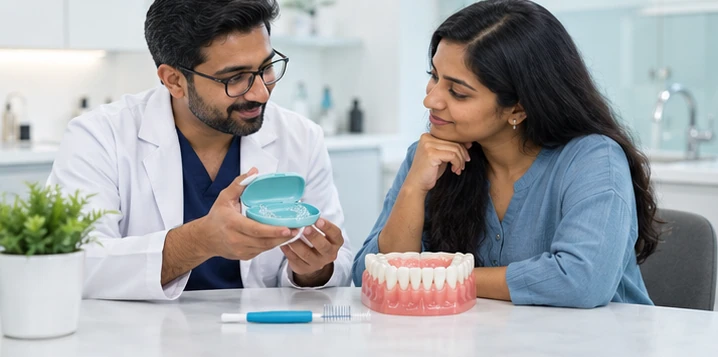
Discuss cleaning, retainer use where prescribed and maintenance of any restorations.
The SmileOn approach
For overseas patients
Share your records and travel dates before you arrive. We’ll discuss appointments, possible treatment stages and an initial estimate.
Guidance is preliminary. Your plan follows an in-clinic assessment; healing and reviews may require another visit.
No. A healthy, stable gap can be left alone if you are comfortable with it. The first question is whether there is an underlying dental problem.
Sometimes adding material would make teeth too wide or affect cleaning and bite. Orthodontic assessment may be more appropriate.
It can. Retention after orthodontics and control of any underlying cause matter. Restorations also require maintenance.
It may be part of development, but a dentist should assess concerns in context. Timing of any intervention depends on growth and tooth eruption.
No. Observation, orthodontics or bonding may be suitable alternatives. Veneers are not the default choice for healthy spaced teeth.

Visit SmileOn in Lahore for an assessment and clear next steps.