Desensitising care
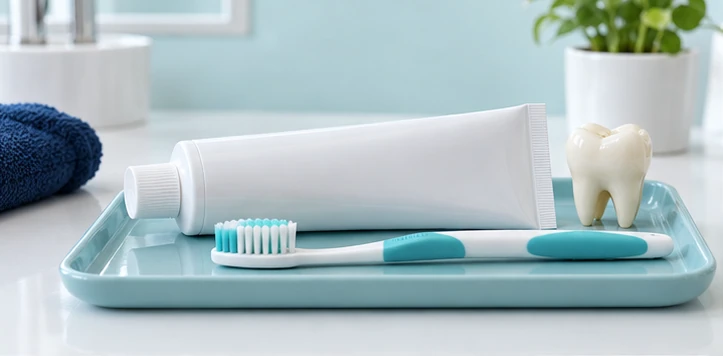
A suitable sensitive toothpaste or professional fluoride treatment may help exposed dentine; improvement often needs regular use and review.
SmileOn Specialist Dental Practice · Lahore
A sharp twinge with cold drinks, sweet foods or brushing can have different causes. SmileOn checks your teeth and gums so care addresses the reason for sensitivity, with options explained clearly.

Identify the trigger and tooth
Check teeth, gums and fillings
Address the underlying cause
Track symptoms and response
Exposed dentine, the layer beneath enamel, can let temperature and other triggers reach sensitive parts of a tooth. This can happen with enamel wear or gum recession. Cavities, cracks and damaged fillings can also cause similar symptoms. A brief twinge differs from pain that lingers or starts by itself, so describing your symptoms helps guide the assessment.
Receding gums can expose root surfaces, which lack the same enamel protection as tooth crowns.
Acid exposure, firm brushing or grinding can wear protective tooth surfaces and contribute to sensitivity.
Decay, cracks or worn fillings can cause symptoms that need different care from exposed dentine.
Care based on your assessment
A suitable sensitive toothpaste or professional fluoride treatment may help exposed dentine; improvement often needs regular use and review.
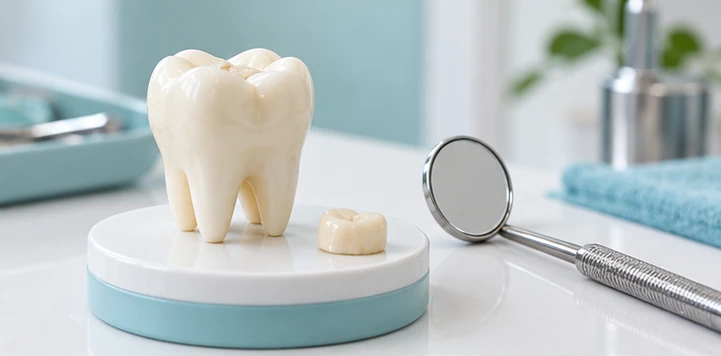
Where decay, a damaged filling or a crack is responsible, a suitable restoration can address the problem after assessment.
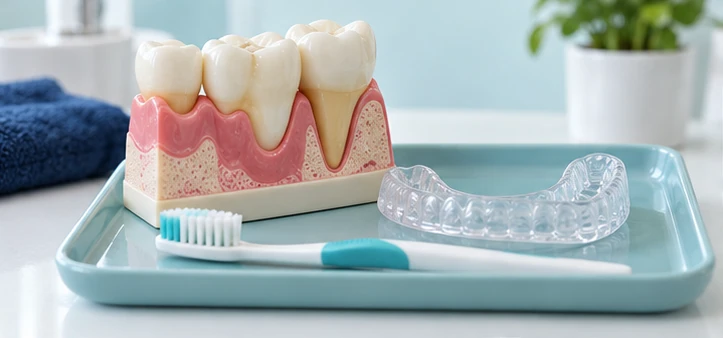
Care may include gum treatment, protection of exposed roots or management of tooth wear, depending on the findings.
| Approach | When it may fit | What to expect |
|---|---|---|
Desensitising care | Assessment supports sensitivity from exposed dentine. | Regular sensitive-toothpaste use or suitable professional fluoride care; response may be gradual. |
Repair an affected tooth | Decay, a crack or a damaged restoration is causing the symptoms. | A suitable repair after diagnosis; persistent nerve-related pain may need a different treatment. |
Manage gum or wear causes | Recession or loss of protective tooth surfaces contributes. | Address the relevant cause and protect vulnerable areas, with review of comfort and stability. |
Some causes need combined care. Sensitivity alone does not establish a need for a filling or root canal; the diagnosis guides treatment.
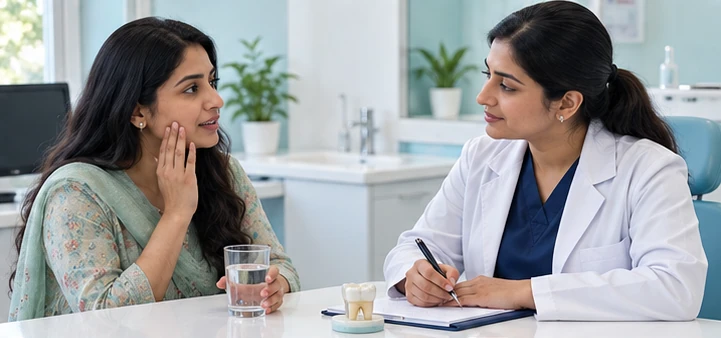
Tell us which teeth hurt, what brings it on and whether the pain stops quickly or lingers afterwards.
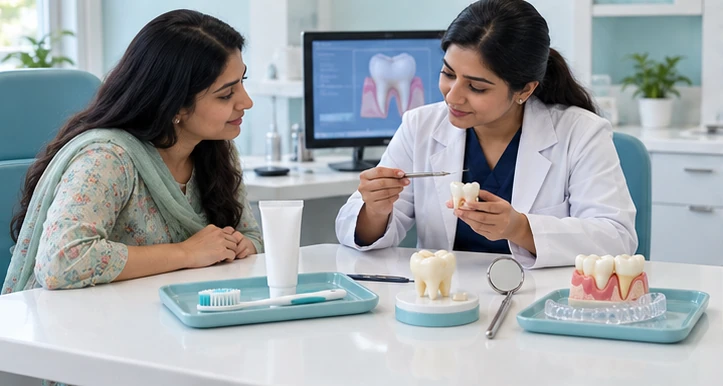
Examine teeth, gums and restorations, with appropriate tests or X-rays when needed before recommending a suitable care plan.
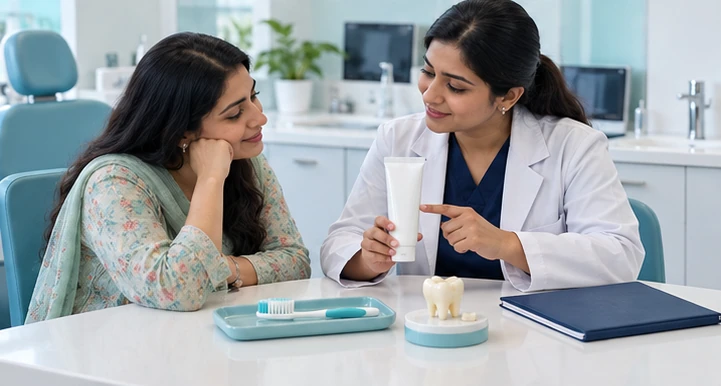
Start the agreed care and review your response; persistent or changing symptoms may need further investigation or treatment.
The SmileOn approach
For overseas patients
Share your records and travel dates before you arrive. We’ll discuss appointments, possible treatment stages and an initial estimate.
Guidance is preliminary. Your plan follows an in-clinic assessment; healing and reviews may require another visit.
No. Exposed roots or worn enamel commonly cause sensitivity, but cavities, cracks and defective fillings can feel similar. An examination helps identify the cause rather than assuming that all sensitivity needs a filling.
A fluoride toothpaste formulated for sensitive teeth may help exposed dentine. Use it consistently according to the label or your dentist’s advice. It may take repeated use to notice improvement.
Whitening can cause temporary sensitivity. Tell your dentist about existing sensitivity before whitening, and follow their advice if discomfort develops. Persistent or severe pain should be checked rather than repeatedly treated with whitening products.
Sensitivity alone does not mean you need root canal treatment. Your dentist checks the cause and tooth nerve. That treatment is considered only when the diagnosis supports it, rather than for every sensitive tooth.
It depends on the cause and care chosen. Some sensitivity improves gradually with regular desensitising toothpaste, while a damaged tooth needs treatment. Arrange review if symptoms persist, become stronger or start without a trigger.
Visit SmileOn in Lahore for an assessment and clear next steps.