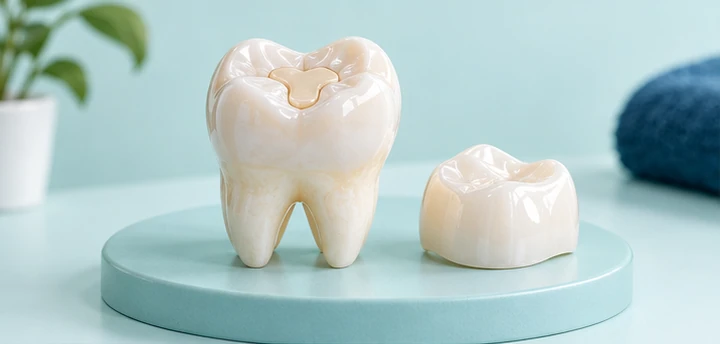
Repairing the tooth
A suitable filling or crown can restore damaged tooth structure after the dentist identifies decay or a defective existing restoration.
SmileOn Specialist Dental Practice · Lahore
Tooth pain can interrupt eating, sleep and everyday life. At SmileOn in Lahore, assessment starts with finding the cause, then explaining suitable treatment and how to manage discomfort while your care is arranged.

Pain and dental assessment
Teeth, gums and bite
When clinically indicated
Depends on the cause
Toothache describes pain in or around a tooth. It can feel sharp, throbbing or dull, and may come and go. Decay, a damaged filling, a crack or inflammation inside the tooth can produce similar symptoms. Where you feel pain does not always identify its source, so an examination matters before choosing treatment.
A cavity or loose restoration can expose sensitive tooth structure or allow deeper irritation.
A fracture or deeper decay can affect the living tissue inside a tooth.
Gum problems or tooth grinding may also contribute; the examination helps distinguish these causes.
Care based on your assessment
A suitable filling or crown can restore damaged tooth structure after the dentist identifies decay or a defective existing restoration.
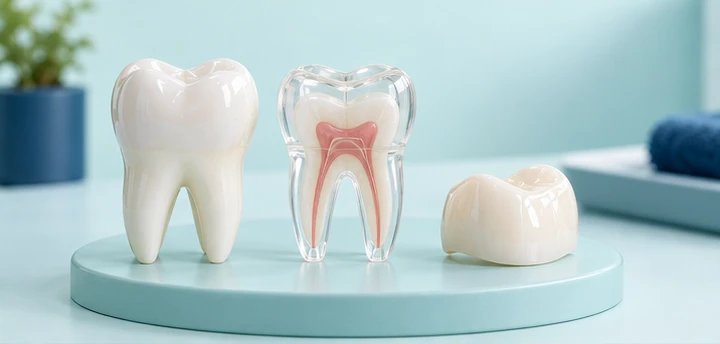
When appropriate, root canal treatment removes damaged or infected pulp, followed by a restoration to protect the remaining tooth structure.
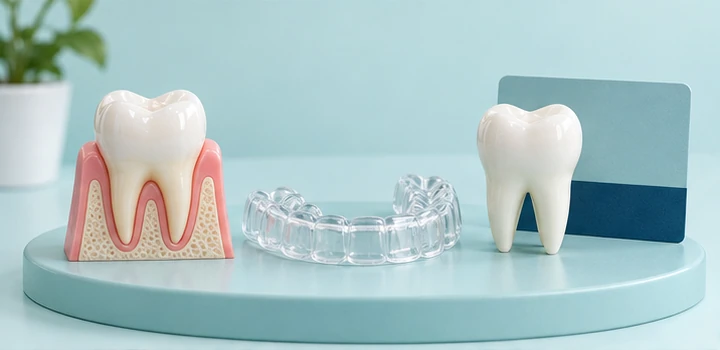
Gum treatment, grinding advice or extraction may be appropriate, depending on the diagnosis and whether the tooth can be retained.
| Approach | When it may fit | What to expect |
|---|---|---|
Repairing the tooth | Decay, a defective filling or damage that can be restored. | A filling or protective restoration; deeper problems may need another stage. |
Root canal treatment | The pulp is irreversibly inflamed or infected and the tooth can be retained. | Treatment inside the tooth, followed by a suitable filling or crown. |
Other targeted care | The cause is gum disease, grinding, or a tooth that cannot be saved. | Care directed at that diagnosis; extraction is considered only when appropriate. |
These are possible pathways after diagnosis. Similar pain can come from different causes, and more than one stage of care may be needed.

Tell us when it started, what triggers it, any swelling, and which medicines you have taken.

We examine the area and may use dental tests or X-rays to understand which tooth or tissue needs care.

Discuss suitable options, expected visits and costs, with immediate pain management and follow-up tailored to the findings.
The SmileOn approach
For overseas patients
Share your records and travel dates before you arrive. We’ll discuss appointments, possible treatment stages and an initial estimate.
Guidance is preliminary. Your plan follows an in-clinic assessment; healing and reviews may require another visit.
Brief gum irritation may settle, but pain that stops does not prove the tooth is healthy. Cavities, cracks and infections can remain. Persistent or recurring pain deserves a dental assessment rather than repeated home remedies.
No. The cause may be a small cavity, a damaged filling, gum irritation or another problem. Root canal treatment is considered when the pulp is affected and the tooth is suitable to retain.
That is common: pain can be difficult to locate and may be felt in nearby teeth. Tell your dentist where it seems to start and what triggers it; examination and tests help identify the source.
They may temporarily reduce discomfort but do not repair a cavity, crack or damaged restoration. Follow medicine instructions and arrange assessment. Tell your dentist about any medication you have already taken, including the dose.
Mention when the pain began, whether it wakes you, and any triggers, swelling or recent dental work. Share your medical conditions, allergies and medicines so advice and treatment can be planned around your needs.

Visit SmileOn in Lahore for an assessment and clear next steps.