


Johar Town, LahoreMon–Sat 11am–9pmSun 1pm–6pm+92 333 8037161

SmileOn · Johar Town, Lahore

Wisdom Teeth Removal in Lahore

Pain or repeated swelling around a wisdom tooth? We assess the cause, explain whether removal is needed and plan treatment and recovery around your individual case.

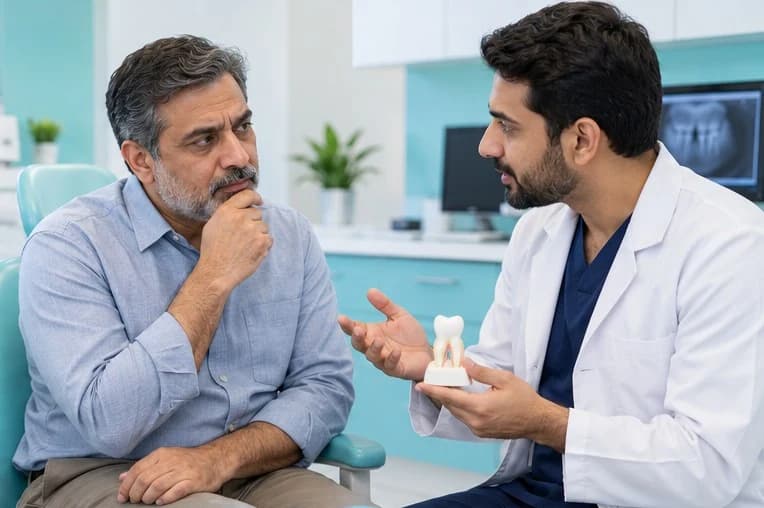
Illustrative consultation about wisdom teeth.
Assessment

Position, symptoms and imaging

Comfort

Usually local anaesthesia

Recovery

Symptoms can last up to 2 weeks

Decision

Removal only when appropriate

Understand the treatment

When removal is appropriate

Wisdom teeth are the last molars at the back of the mouth. Their position alone does not determine treatment. We check the tooth, surrounding gum and appropriate X-rays before recommending an approach.

  • A tilted or partly erupted wisdom tooth is not automatically a reason for extraction. Symptoms, disease and the relationship to nearby teeth or nerves inform the decision.

Compare the choices

Monitoring or removal?

Symptoms, disease and nearby structures guide whether monitoring or removal offers the better balance.

Illustrative consultation about wisdom teeth.

Monitoring

A healthy wisdom tooth without disease may be reviewed rather than removed.

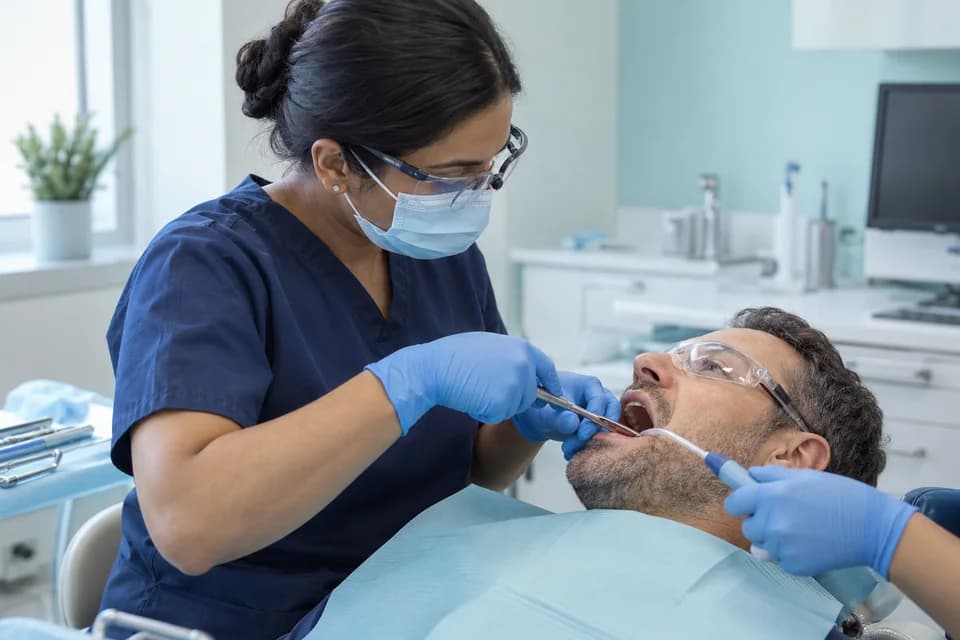
Illustrative dentist examining a patient with a small dental mirror.

Removal when indicated

Repeated infection, decay that cannot be repaired or damage to nearby teeth may make removal appropriate.

From planning to follow-up

Your treatment journey

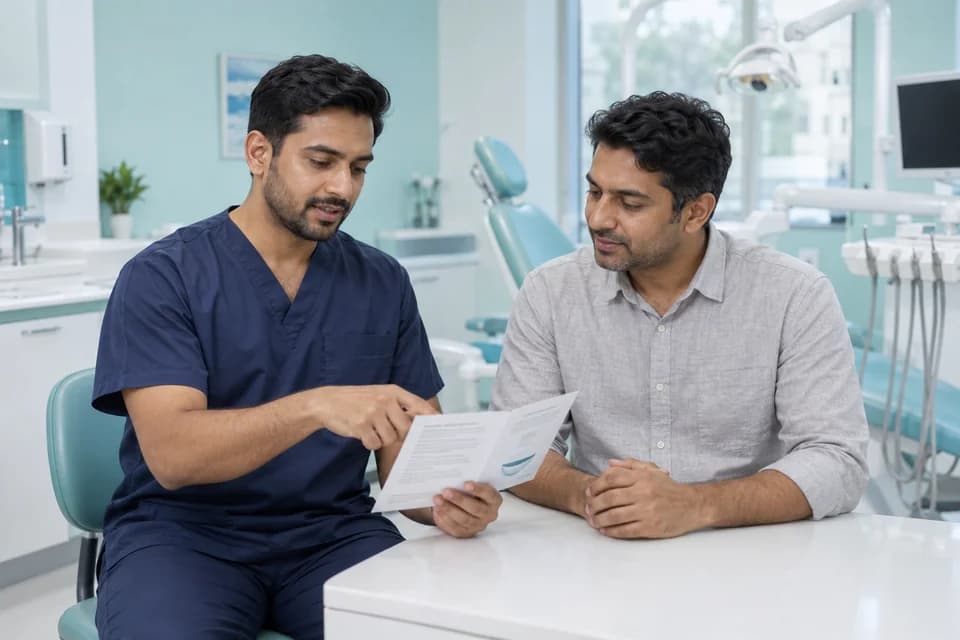
  1. Illustrative dentist discussing a treatment plan with a patient.

    Assess the cause

    We examine the area and discuss imaging, alternatives, costs and your individual risks.

  2. AI-generated illustration of a dentist using extraction forceps, with suction and protective eyewear.

    Treat with care

    If removal is advised, the tooth is removed with appropriate numbing and any necessary stitches.

  3. Illustrative dentist explaining written care instructions to a patient.

    Support recovery

    You receive aftercare instructions and a plan for follow-up if required.

During and after care

Procedure & recovery

The tooth’s position and its relationship to nearby structures determine the procedure. Local anaesthetic is commonly used. Swelling, soreness and jaw stiffness can affect eating and activities for several days, with symptoms sometimes lasting up to two weeks. More complex surgery can need longer recovery.

Care after removal

Follow your surgeon’s instructions, protect the blood clot, eat softer foods and avoid smoking. Clean the rest of your mouth gently. Contact the clinic for persistent bleeding, fever or severe or worsening pain and swelling. Breathing or swallowing difficulty needs immediate hospital emergency care.

Your questions, answered

Does every impacted wisdom tooth need removal?

No. The decision depends on symptoms, disease and risks to nearby structures. A tooth without problems may be monitored at routine dental visits.

What will treatment and recovery feel like?

Local anaesthetic numbs the area; pressure may still be felt. Soreness, swelling or jaw stiffness can follow. Recovery varies with the extraction, and symptoms may take up to two weeks to settle.

What risks should I understand?

Your dentist will explain risks relevant to your tooth, including dry socket, infection and bleeding. Lower wisdom teeth near nerves can carry a risk of altered sensation, sometimes lasting.

Will I need stitches?

Some removals need stitches, depending on the procedure. Your dentist explains what has been placed and any follow-up or care required.

When should I contact the clinic after removal?

Seek prompt advice for persistent bleeding, fever or pain and swelling that worsen. Breathing or swallowing difficulty needs immediate hospital emergency care; do not wait for a clinic reply. Follow your individual aftercare instructions.

Your care at SmileOn

A clear plan before treatment

Discuss the options, likely stages and a written cost breakdown with your dentist.

Meet the dentists

For overseas patients

Visiting Lahore From Abroad?

Share your records and travel dates before you arrive. We’ll discuss appointments, possible treatment stages and an initial estimate.

  1. Share Records
  2. Discuss Options
  3. Plan Your Visit

Guidance is preliminary. Your plan follows an in-clinic assessment; healing and reviews may require another visit.

Patient information references

These resources support a conversation with your dentist. Your diagnosis and treatment plan depend on an examination.