Everyday prevention
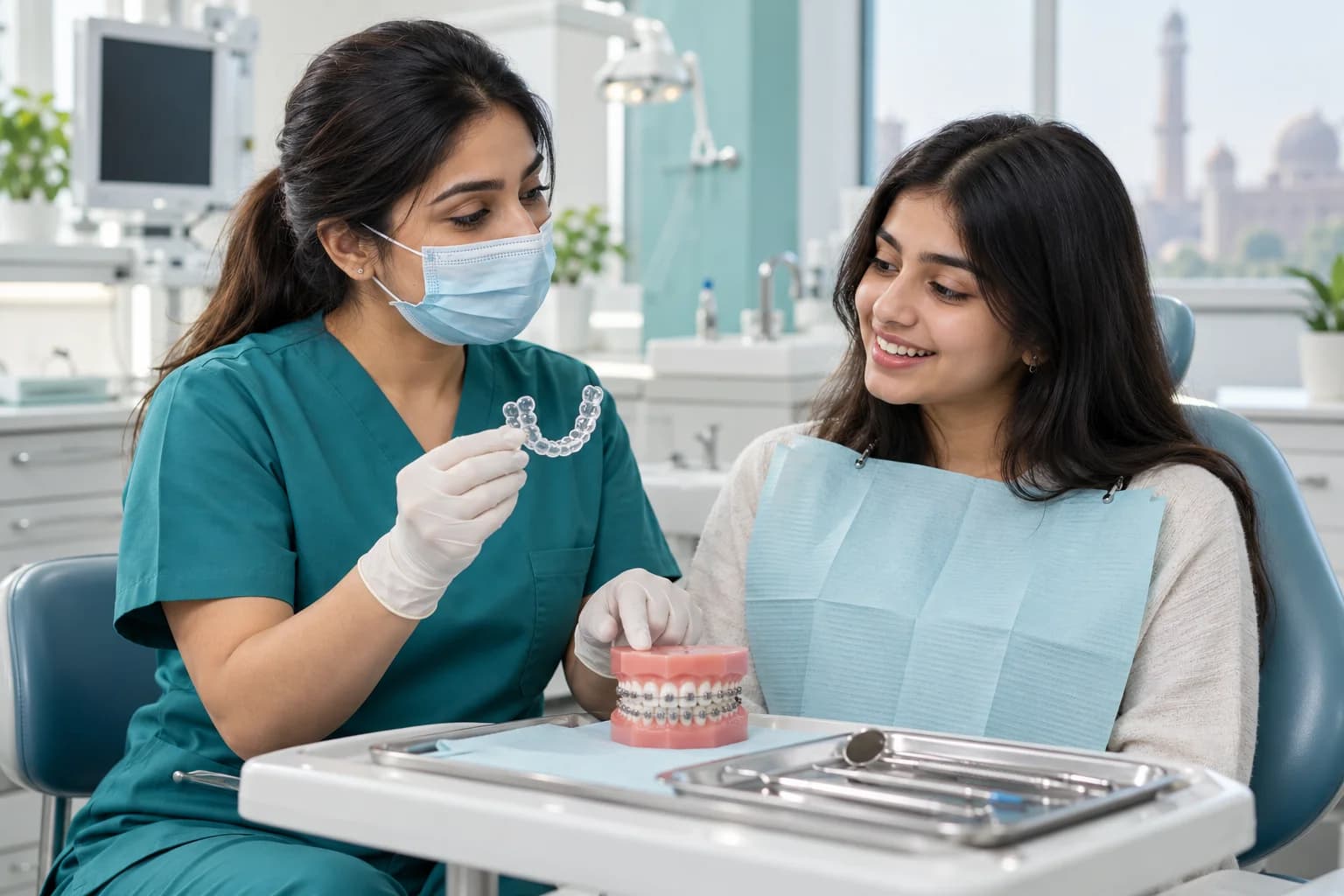
Advice on brushing, fluoride toothpaste and snacks is tailored to your child's age and risk of decay. The aim is a routine that parents can support consistently as a child's independence grows.
Care that grows with your child · SmileOn Lahore
Dental care shaped around your child’s age, development and needs. From first visits and prevention to cavities and dental injuries, the aim is a positive, practical approach to oral health.
01 · Understanding your needs
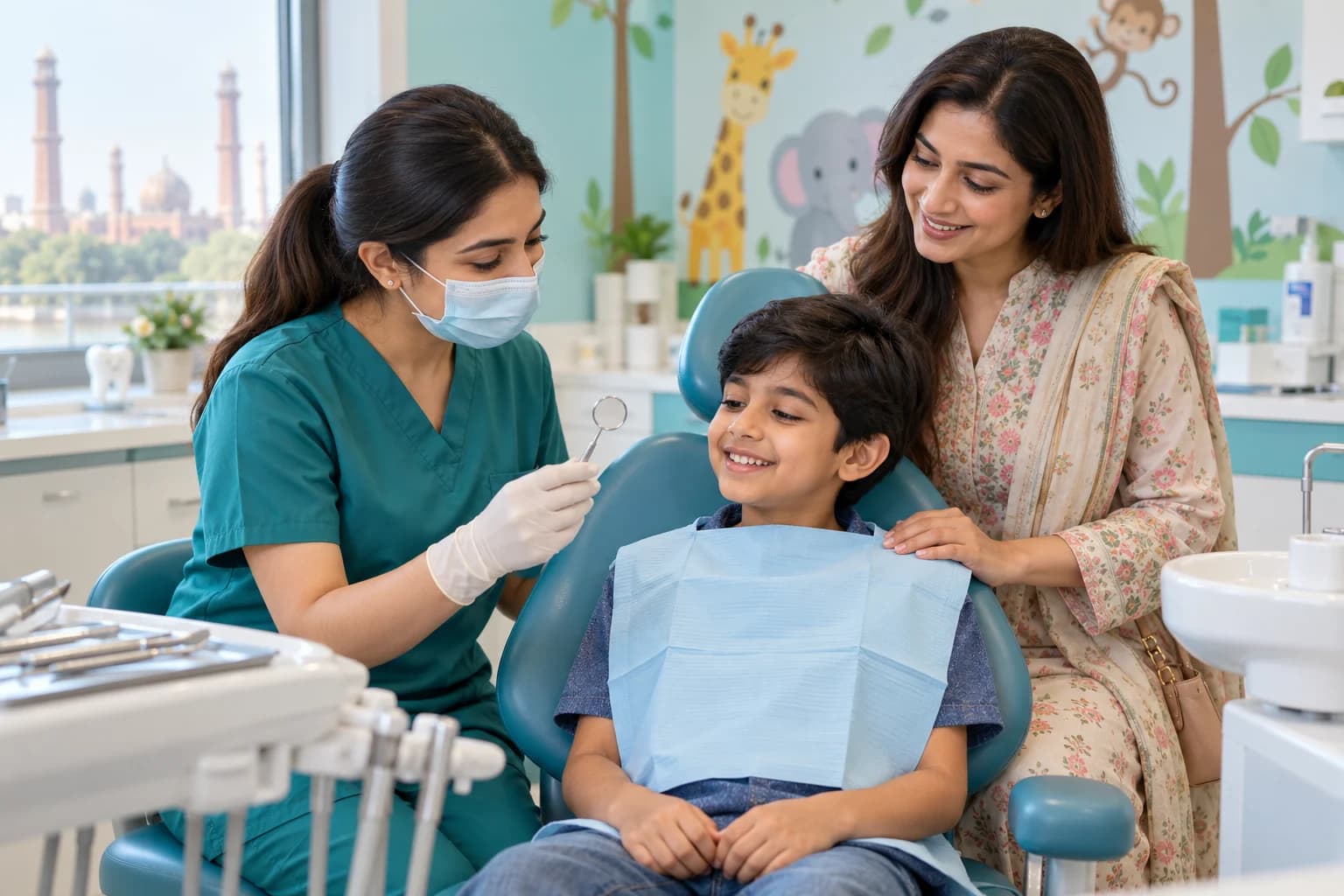
Paediatric dentistry focuses on oral health from infancy through adolescence. Alongside checking teeth, care considers development, confidence and a family's daily routine. Baby teeth matter for eating, speech and the developing adult dentition. A paediatric assessment can be particularly helpful when treatment needs are complex, a child is anxious or additional health or communication needs affect dental care.
An early visit introduces the dental setting and gives parents time to discuss brushing, feeding habits and growing teeth.
Pain, a visible hole or changes in a tooth need assessment; treatment depends on the tooth and depth of damage.
Fear, a difficult previous experience or unfamiliar surroundings can affect cooperation. Share concerns before the visit so support can be discussed.
Dental injuries need prompt advice. Management differs for baby and adult teeth, so describe what happened and when.
Eruption patterns, crowding and persistent sucking habits may need review, with orthodontic input if a developing bite concern warrants it.
Medical conditions, sensory sensitivities or communication differences can affect planning. Explain useful routines and adjustments when arranging an appointment.
02 · Exploring your options
Your assessment helps identify which options fit your needs. The plan may involve more than one area of dental care.
Advice on brushing, fluoride toothpaste and snacks is tailored to your child's age and risk of decay. The aim is a routine that parents can support consistently as a child's independence grows.
Fluoride varnish or fissure sealants may be recommended for appropriate teeth. These measures support home care; they do not replace brushing or regular review, and suitability depends on each child's needs.
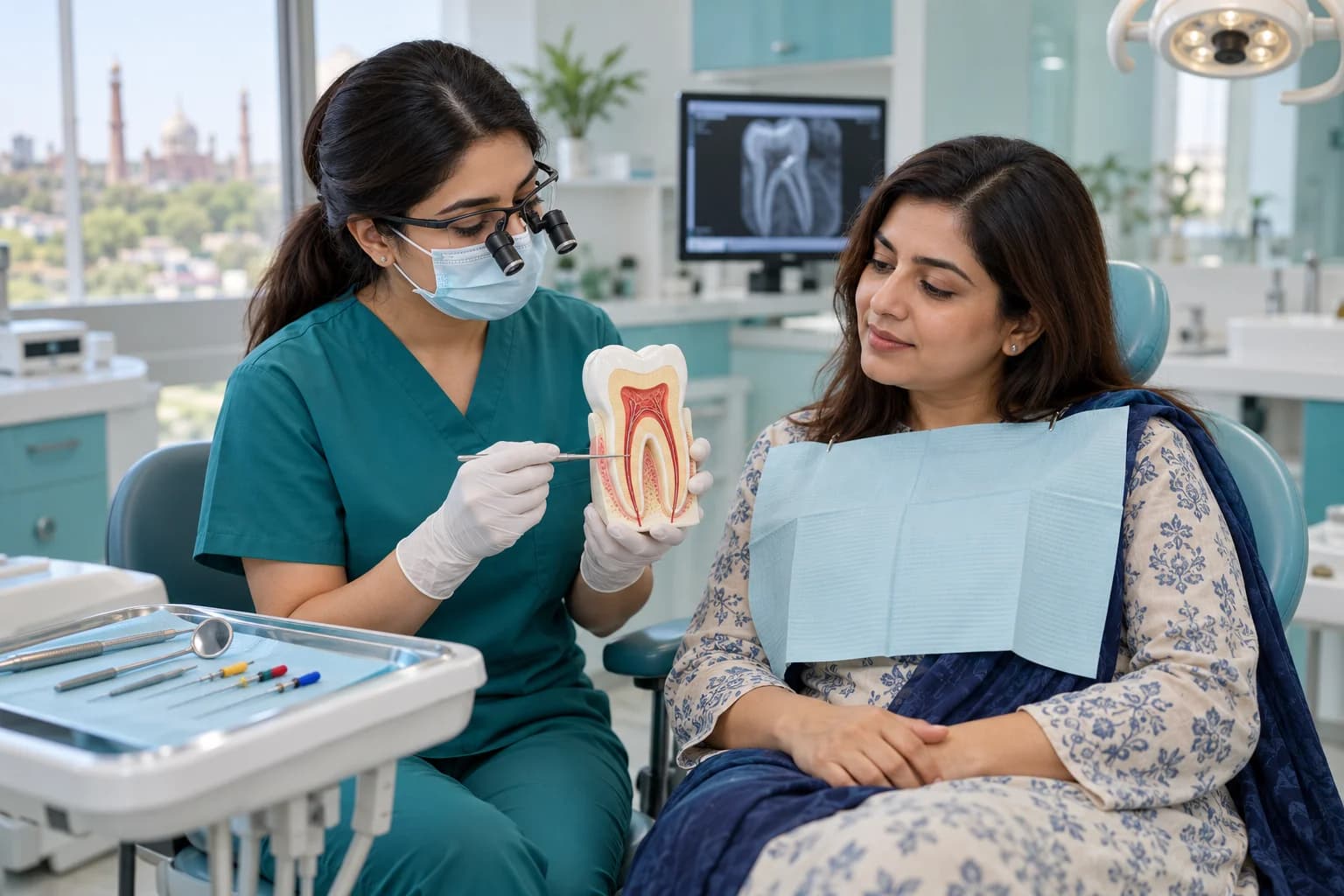
A decayed tooth may need a filling, crown or treatment of the pulp inside it. Sometimes removal is appropriate. Choices depend on symptoms, remaining tooth structure and development of the adult teeth.
Simple explanations, showing equipment and agreed breaks can support a child's participation. More complex needs may require staged visits or referral. Any additional behaviour or sedation approach needs a separate suitability discussion and consent.
03 · Your visit
Bring any records you already have and a list of medicines you take. You can discuss your concerns, preferences and questions before deciding on treatment.
Bring relevant medical information and describe symptoms, previous visits and any worries. Let the team know about sensory preferences or communication needs, and ask how to prepare for the appointment.
The assessment considers teeth, gums, development and decay risk. Investigations are recommended only when justified. Discuss findings in clear language, with suitable choices, priorities and opportunities for parent and child questions.
Follow the agreed prevention or treatment plan and arrange reviews based on need. Parents remain important partners, helping with daily care and sharing any changes in pain, eating or brushing.
04 · Common questions
These answers are a starting point. Your dentist can explain how they apply to your own situation.
Arrange a first visit when the first tooth appears, or by the first birthday. This gives you an opportunity to discuss prevention and development before problems arise. If your child is older and has not visited yet, it is still worth starting.
They can do. Baby teeth help children eat and speak and guide the developing permanent teeth. Untreated decay can cause pain or infection. Whether a tooth needs preventive care, repair or removal depends on its condition and expected remaining life.
Tell the team before the appointment and explain any triggers or previous difficult experiences. Familiarisation, clear explanations and short stages may help. If the required care cannot be managed this way, discuss additional options or referral after an individual assessment.
No. The decision should reflect symptoms, examination findings, age, decay risk and the information already available. X-rays are used when the expected diagnostic benefit justifies them. Ask what question an image will help answer and whether previous records are useful.
The interval is based on your child's oral health and risk, rather than the same schedule for every family. Children with active problems may need closer review. Continue supervised brushing with age-appropriate fluoride toothpaste and follow the prevention advice agreed at the visit.
For overseas patients
Share your records and travel dates before you arrive. We’ll discuss appointments, possible treatment stages and an initial estimate.
Guidance is preliminary. Your plan follows an in-clinic assessment; healing and reviews may require another visit.