Clear decisions about surgical care · SmileOn Lahore
Oral & Maxillofacial Surgery in Lahore.
Assessment and planning for wisdom teeth, complex extractions and other surgical concerns. Understand the proposed care, recovery and whether treatment needs a hospital or external referral.
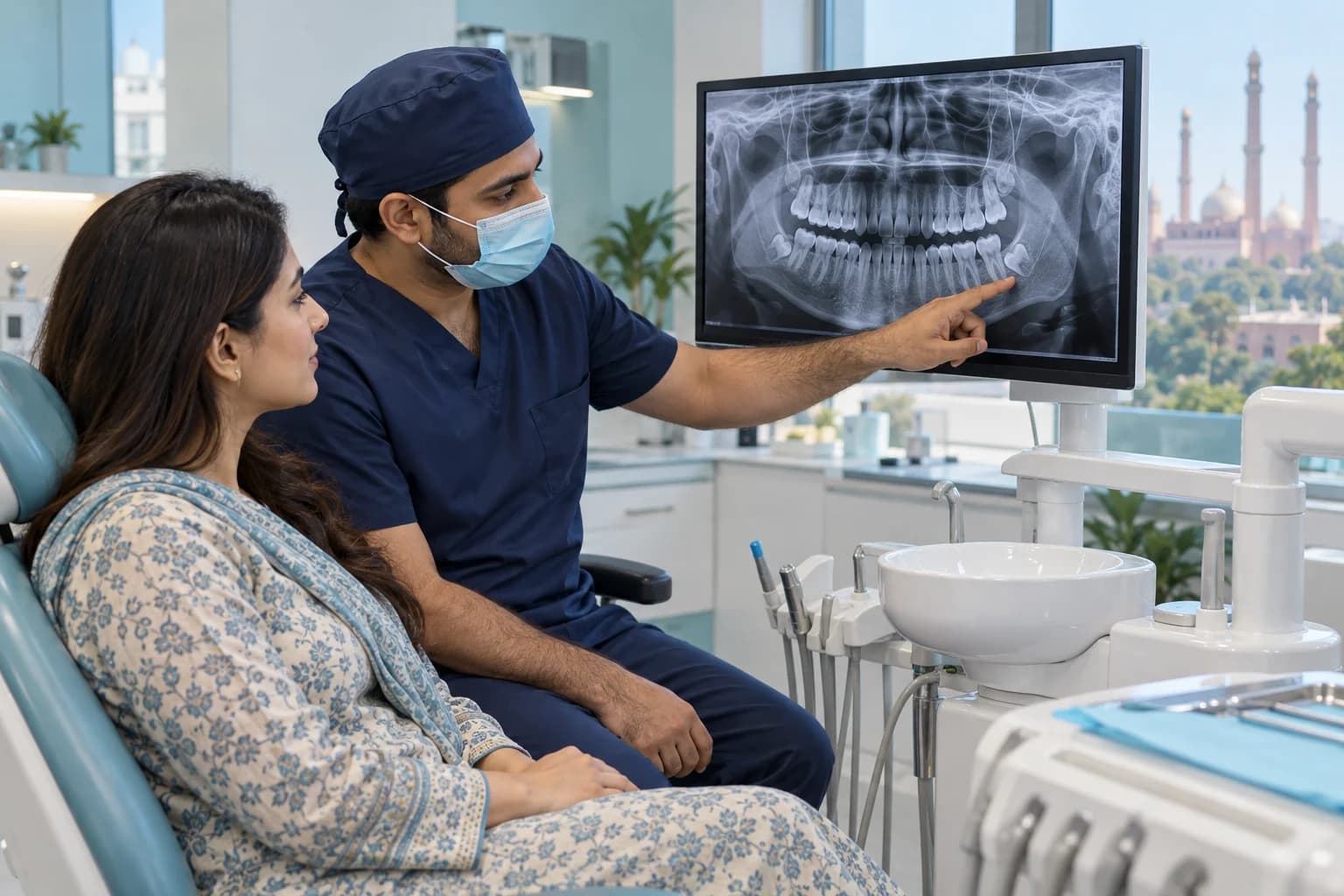
Oral and maxillofacial surgery covers conditions affecting the mouth, jaws and face. Dental surgery may involve difficult extractions or impacted teeth. The wider specialty also manages complex conditions beyond routine dental practice. Your assessment should separate what can be managed in a clinic from what needs another specialist or hospital, and explain any alternatives to an operation.
01
Problem wisdom teeth
Repeated pain, swelling or infection around a wisdom tooth can justify assessment of its position and the available options.
02
A difficult extraction
A broken tooth, retained root or challenging position may call for surgical planning beyond a straightforward dental extraction.
03
A tooth that has not erupted
An impacted tooth may need monitoring, removal or coordinated care with an orthodontist, depending on its position and effects.
04
An unexplained mouth change
A persistent ulcer, lump or patch deserves examination and, when indicated, further investigation through the appropriate clinical service.
05
Jaw or bite concerns
Difficulty with jaw function or a significant bite discrepancy may need assessment involving both surgical and orthodontic expertise.
06
Implant-related planning
Some implant cases need a surgical opinion about available bone, nearby structures and the suitability of additional procedures.
02 · Exploring your options
An assessment does not always mean surgery
Your assessment helps identify which options fit your needs. The plan may involve more than one area of dental care.
Monitoring when appropriate
A wisdom tooth without disease or other problems may be monitored. The decision considers examination and imaging findings, the chance of future difficulty and the risks of removal. Being impacted alone does not settle the decision.
Planned dental surgery
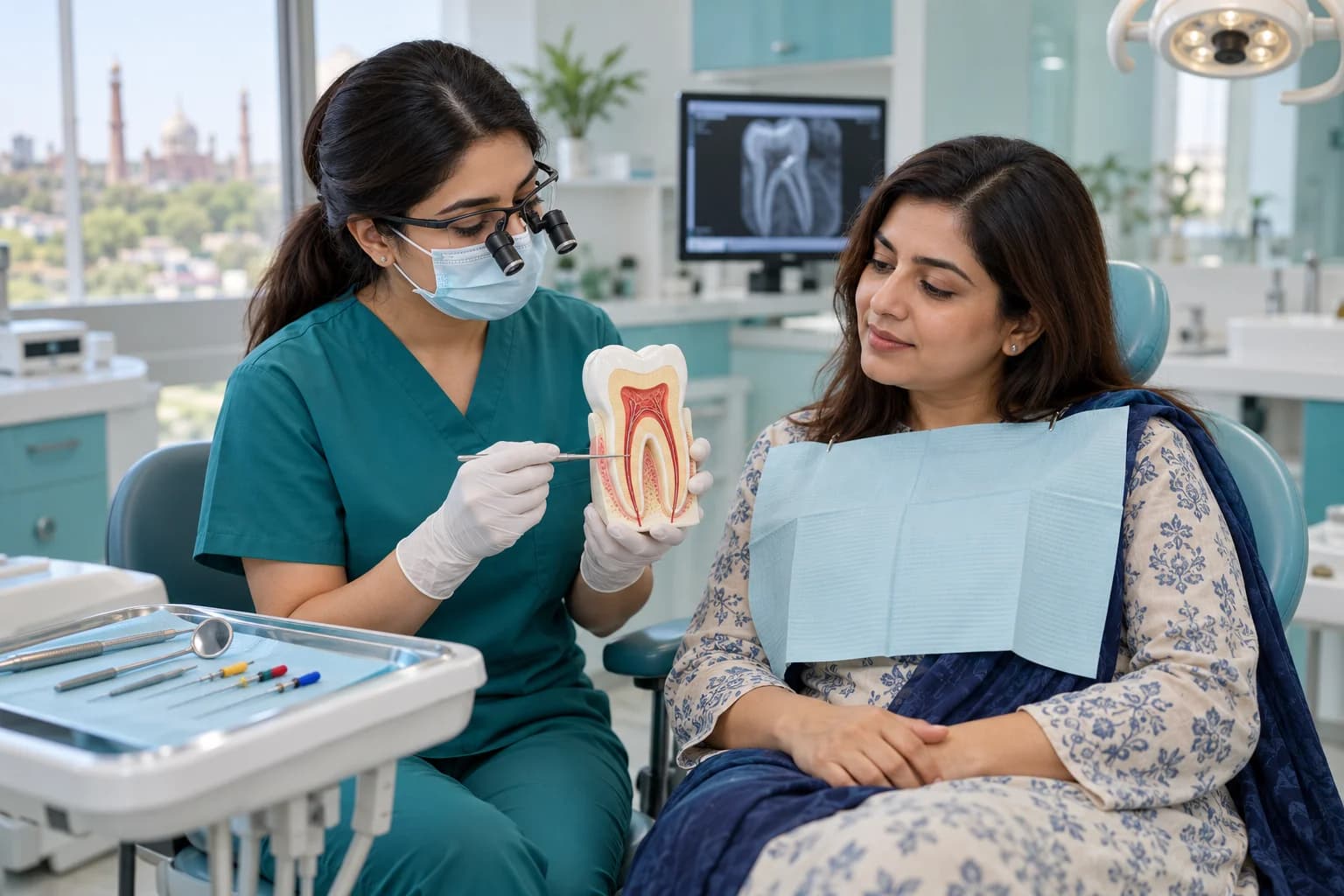
When removal is indicated, the approach depends on the tooth, its roots and nearby structures. Discuss the reason for surgery, available alternatives, likely recovery and individual risks before giving consent for a procedure.
Coordinated dental care
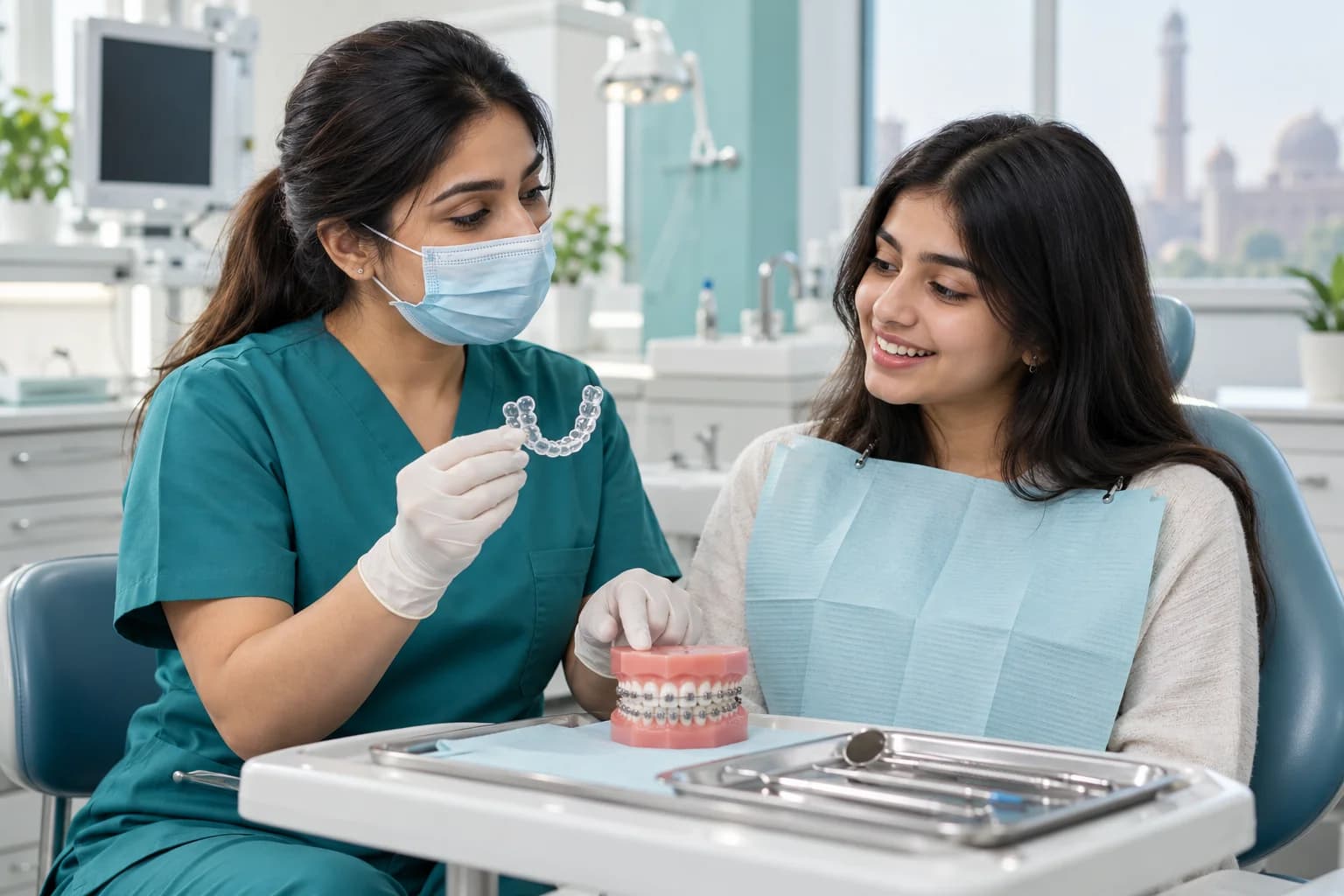
An impacted canine, implant site or complex bite problem may need input from more than one clinician. A coordinated plan should make the sequence clear and identify who will manage each stage and subsequent review.
Further investigation or referral
Unexplained lesions, major jaw problems and facial injuries may need specialist investigations or hospital treatment. Assessment should identify the appropriate next service; a clinic consultation does not mean every maxillofacial procedure is available onsite.
03 · Your visit
A clear plan, one step at a time.
Bring any records you already have and a list of medicines you take. You can discuss your concerns, preferences and questions before deciding on treatment.
1
Understand the problem
Describe your symptoms and previous treatment, and bring any referral or imaging. Your medical history, medicines and examination help determine what further information is needed before recommending care.
2
Discuss the decision
Review the diagnosis, alternatives and individual risks. Confirm the treating clinician, location, anaesthetic arrangements, costs and any preparation required. The extent of surgery and your health guide these decisions.
3
Plan the recovery
Ask about eating, cleaning, work and follow-up before treatment. You should know which symptoms are expected, who to contact about concerns and when a review or further treatment is needed.
04 · Common questions
What would you like to know?
These answers are a starting point. Your dentist can explain how they apply to your own situation.
Do all wisdom teeth need to be removed?
No. Teeth that are not causing problems can often be monitored. Removal may be considered for disease, recurrent infection or other identified concerns. The decision should use examination and appropriate imaging, balancing the expected benefit against the risks in your case.
Will my procedure happen at the dental clinic?
That depends on the procedure, your medical needs and the facilities required. Some dental surgery can be managed in a clinic. Complex maxillofacial conditions may need referral to hospital services. Confirm the location and responsible clinician before making arrangements.
Does a surgical consultation mean I need an operation?
No. Its purpose is to establish what is happening and discuss suitable choices. Monitoring, another form of dental care or further investigation may be appropriate. You should understand the recommendation, including what could happen if treatment is delayed or declined.
What if I have a mouth ulcer or lump?
Arrange an examination for an unexplained lump, red or white patch, or an ulcer lasting more than three weeks. These changes can have many causes. A dentist can assess them and arrange further investigation or referral when the findings warrant it.
When should I seek urgent help?
Seek emergency medical care for difficulty breathing or swallowing, or rapidly spreading facial or neck swelling. Significant facial injury also needs urgent assessment. After dental surgery, contact the treating service promptly for bleeding that does not stop or worsening pain and swelling.