Fillings
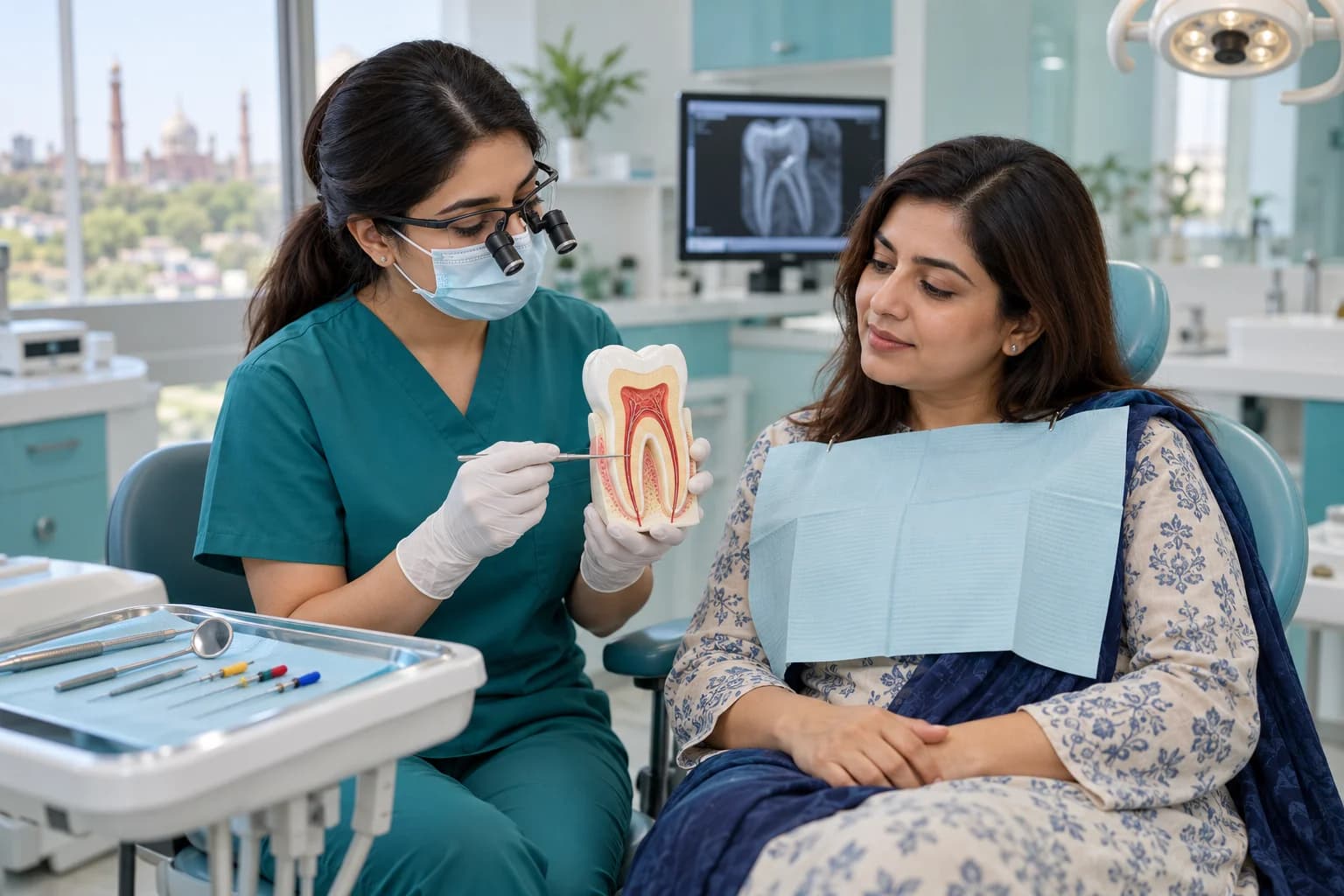
A filling replaces a damaged area within a tooth. Suitability depends on the size and location of the defect and how much healthy tooth remains; a larger repair may need a different approach.
Repair, rebuild and replace · SmileOn Lahore
Care for damaged, worn or missing teeth, bringing strength, comfort and function into the same plan. Explore repairs and replacement options that suit your teeth, gums and bite.
01 · Understanding your needs
Restorative care ranges from repairing a small cavity to planning several damaged or missing teeth together. A useful plan considers chewing, appearance, cleaning and the condition of the remaining teeth. Treatment choices should preserve sound tooth structure where practical. Complex cases may need input from clinicians focused on gum health, root canal care or implants before the final restoration is selected.
An assessment helps establish the extent of damage and whether a repair can support everyday biting and chewing.
When a tooth has lost more structure, a simple filling may not provide enough support for lasting function.
Changing tooth shape or bite can need a broader assessment before deciding which areas to rebuild or monitor.
Discuss replacement choices in the context of your remaining teeth, chewing needs, gum health and personal priorities.
Loose, broken or uncomfortable dental work needs review to assess both the restoration and the tooth beneath it.
Explain which foods or movements cause problems so the assessment can focus on function as well as appearance.
02 · Exploring your options
Your assessment helps identify which options fit your needs. The plan may involve more than one area of dental care.
A filling replaces a damaged area within a tooth. Suitability depends on the size and location of the defect and how much healthy tooth remains; a larger repair may need a different approach.
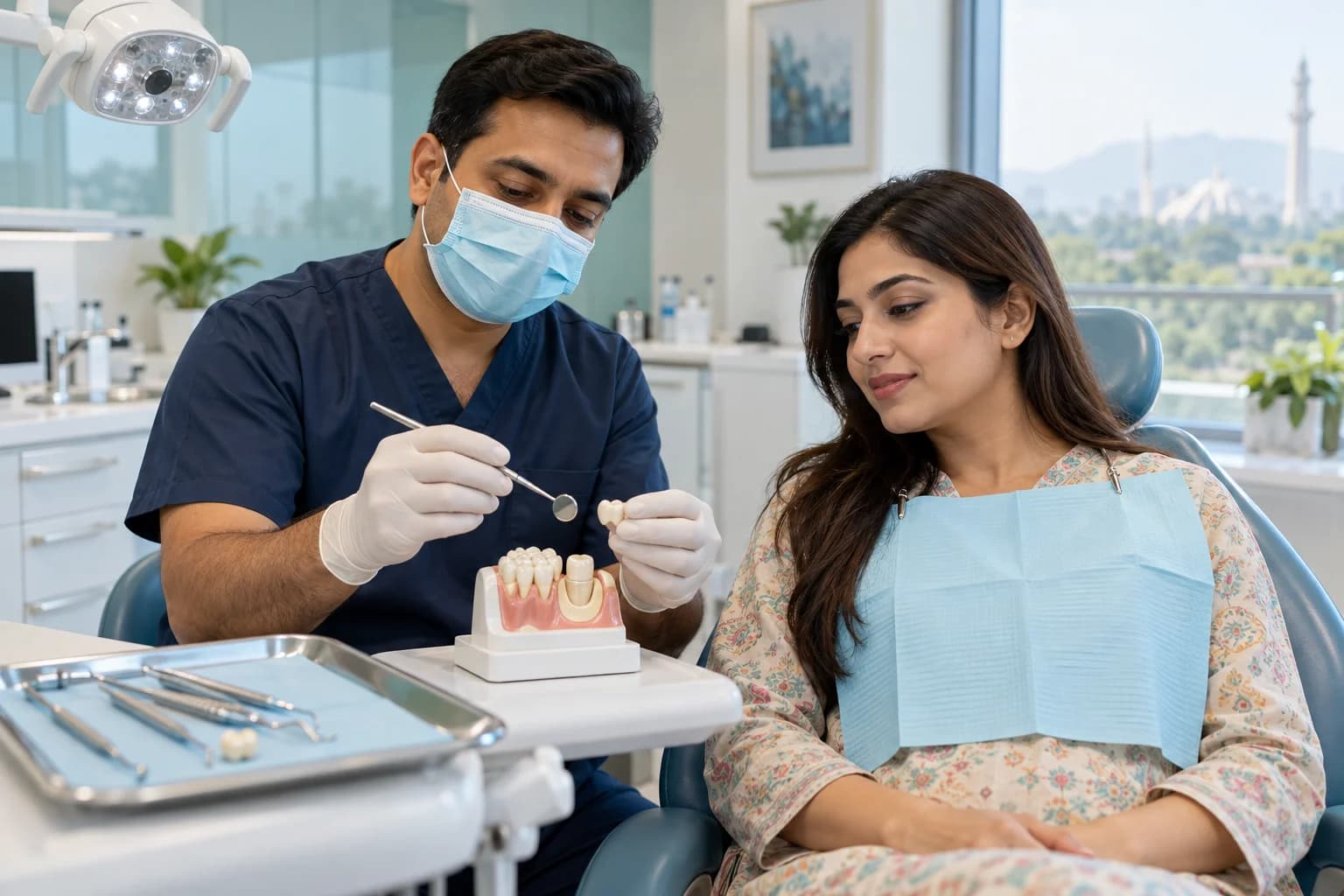
A crown covers a prepared tooth and may support one that is substantially weakened or broken. The dentist assesses whether the tooth can be restored and explains the preparation, material choices and maintenance involved.
A bridge replaces a missing tooth or teeth using support from neighbouring teeth or implants. The design depends on that support, the space and your bite; cleaning beneath the replacement teeth remains important.
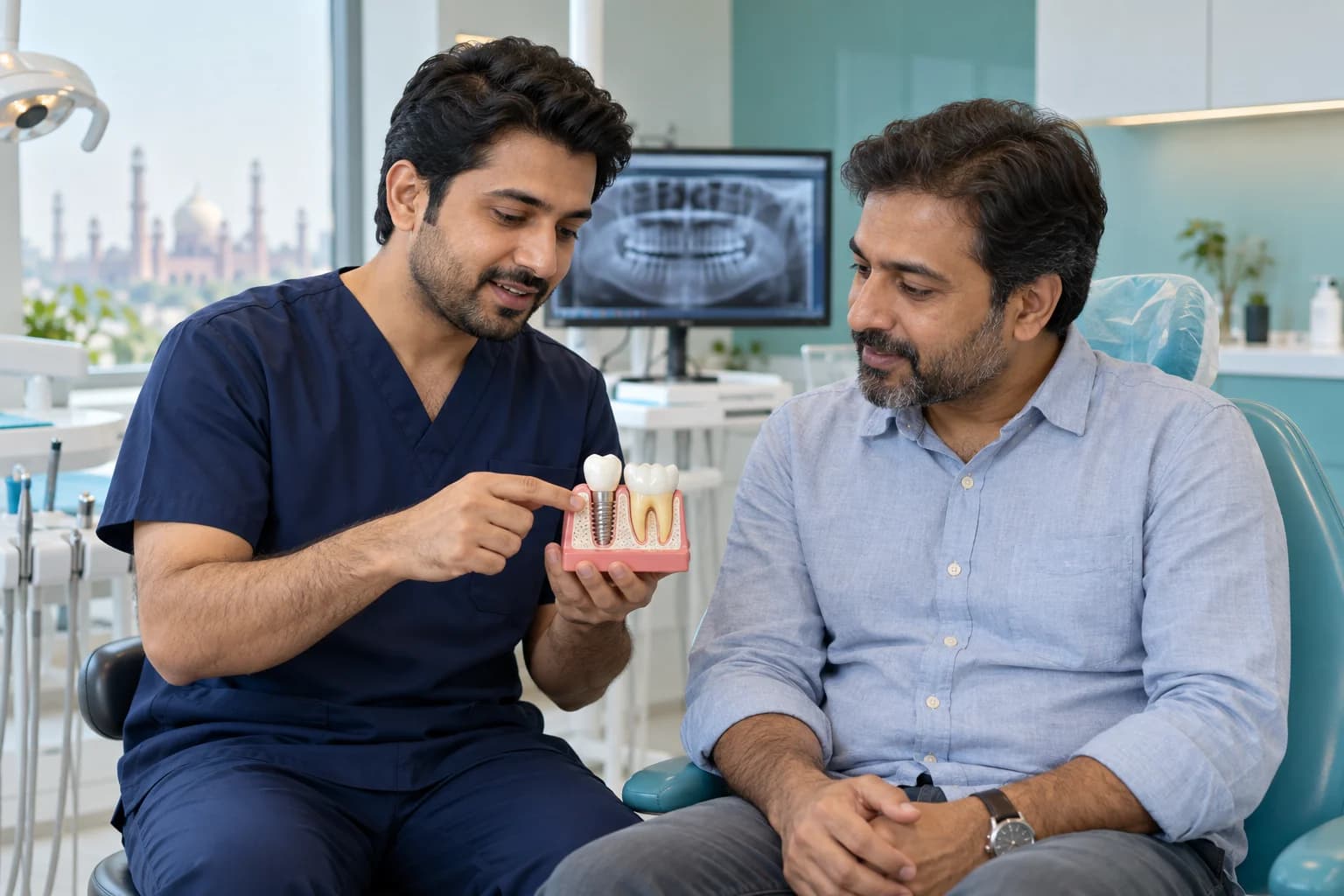
A denture can replace several or all missing teeth. Implant-supported alternatives may be considered after a separate suitability assessment. Compare stability, cleaning, surgery, maintenance and costs rather than choosing by appearance alone.
03 · Your visit
Bring any records you already have and a list of medicines you take. You can discuss your concerns, preferences and questions before deciding on treatment.
Discuss the problem and your priorities. The dentist assesses the teeth, gums, existing restorations and bite, with imaging or other records where needed to answer a specific clinical question.
Review which teeth can be retained and the alternatives for each area. Discuss benefits, limitations, preparation, costs and whether gum or root canal care should come first.
Care may involve several stages, including temporary restorations where appropriate. Once fitted, review comfort and function, and follow the cleaning and follow-up advice for your particular restoration.
04 · Common questions
These answers are a starting point. Your dentist can explain how they apply to your own situation.
They overlap, but the starting priorities differ. Restorative dentistry addresses damaged or missing teeth and their function. Cosmetic care focuses on appearance. A restoration can improve both, but its suitability depends on the condition of your teeth and mouth.
No. Some defects can be managed with a filling, while others need greater coverage or a different approach. The amount of remaining tooth, cracks, decay and bite all influence the choice. Ask why each proposed option suits your tooth.
Not every tooth can be restored predictably. The extent of damage and the support around its roots matter. The dentist should explain the outlook for keeping the tooth, any further assessment required and replacement options if extraction becomes necessary.
A small repair and a plan involving several teeth have different requirements. Laboratory-made restorations, preliminary care and adjustment visits can add stages. Your schedule should be discussed after assessment, including any temporary arrangements and the review visits needed afterward.
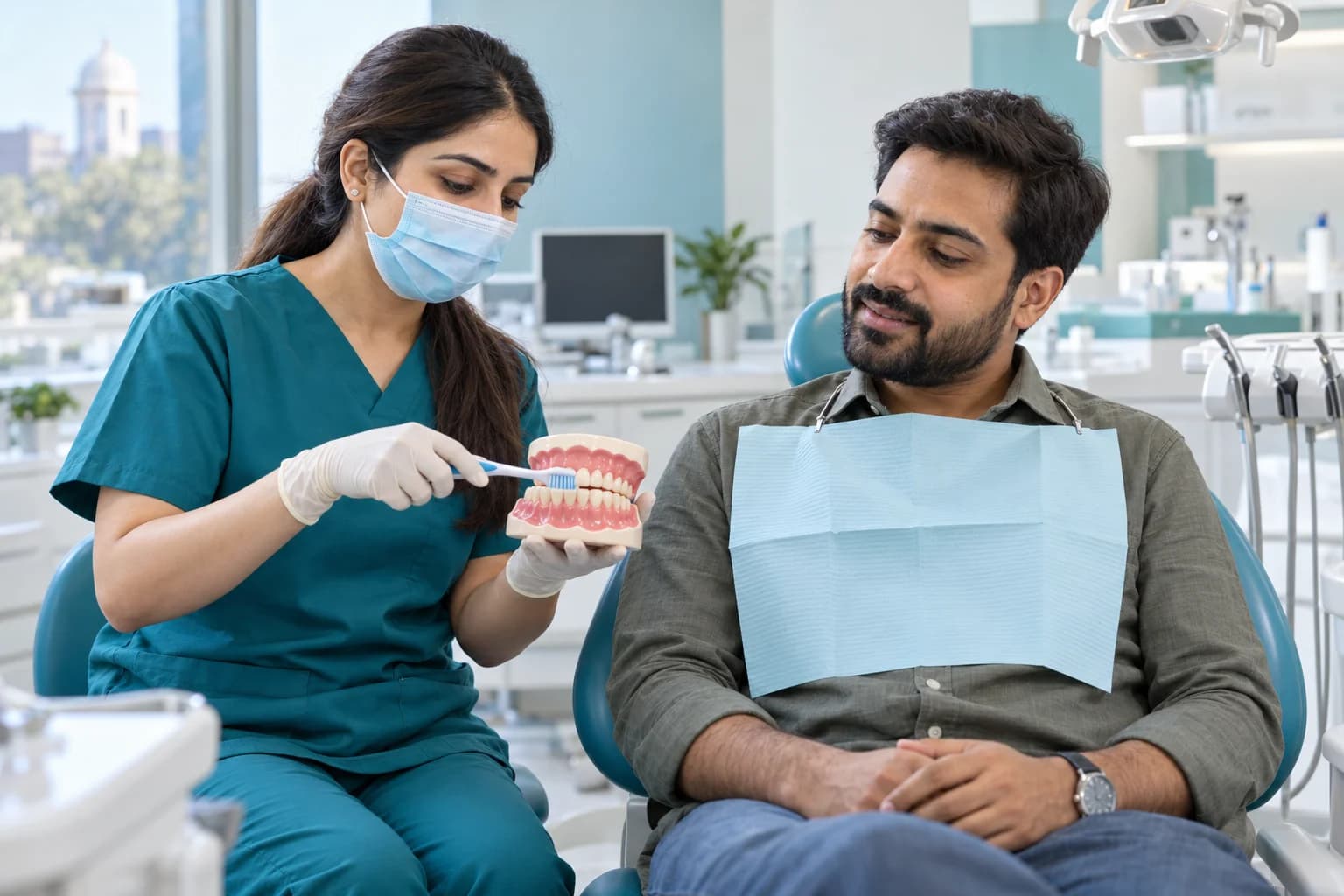
Follow the advice for its design and material. Keep the surrounding teeth and gums clean, including areas beneath bridges or around denture supports. Attend recommended reviews and arrange a check if something loosens, breaks or no longer feels comfortable.
For overseas patients
Share your records and travel dates before you arrive. We’ll discuss appointments, possible treatment stages and an initial estimate.
Guidance is preliminary. Your plan follows an in-clinic assessment; healing and reviews may require another visit.